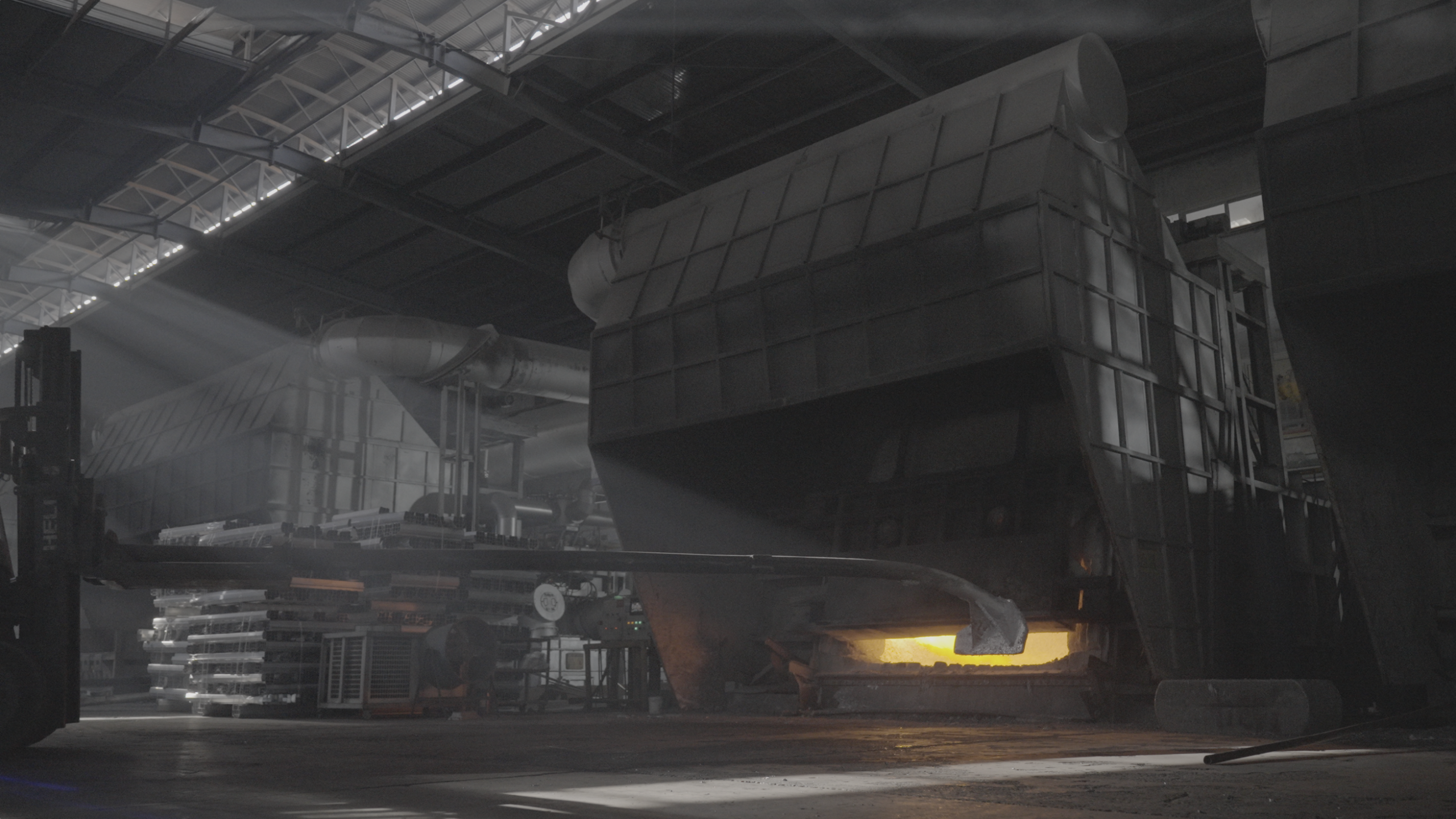
MATERIAL PREPARATION
Carefully controlled melting and alloy preparation establish the foundation for consistent material quality and reliable wheel production.

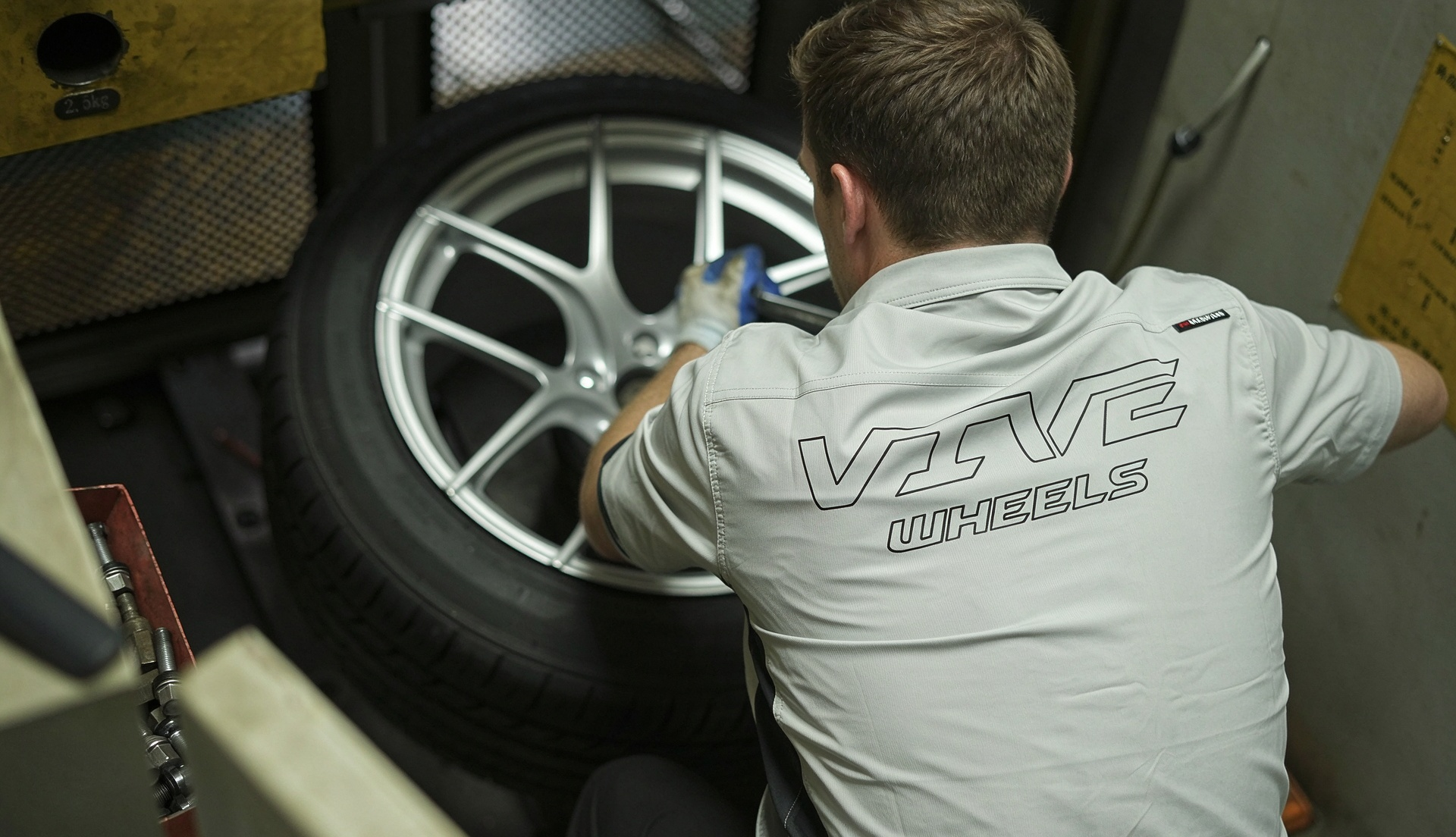
From material selection and structural engineering to precision manufacturing and quality control, every step reflects our commitment to building wheels with purpose.
Quality is built into every stage of our manufacturing process. From material inspection and precision machining to final product verification, we focus on consistency, reliability, and attention to detail. Every step reflects our commitment to delivering wheels you can trust.
 development
 manufacturing
 quality control
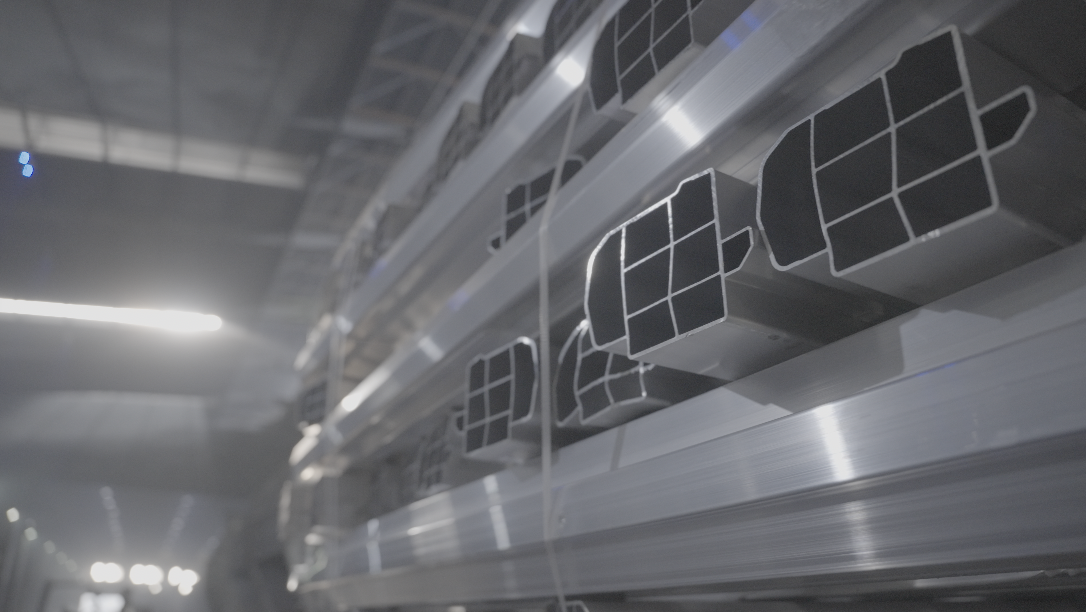
Carefully controlled melting and alloy preparation establish the foundation for consistent material quality and reliable wheel production.
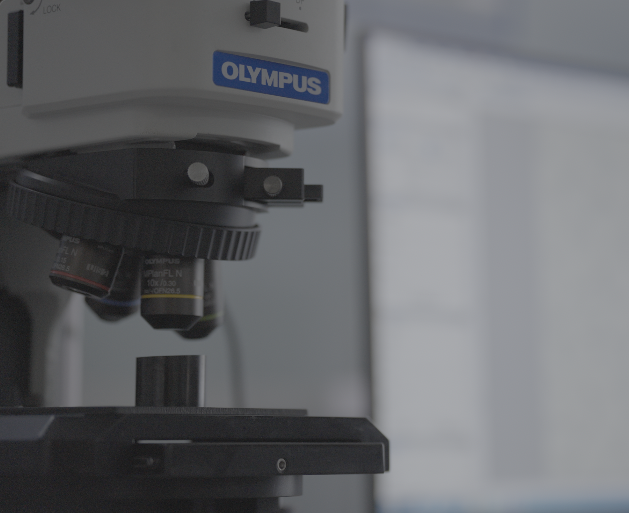
Every alloy batch undergoes precise elemental analysis to verify material composition and ensure compliance with our quality standards.
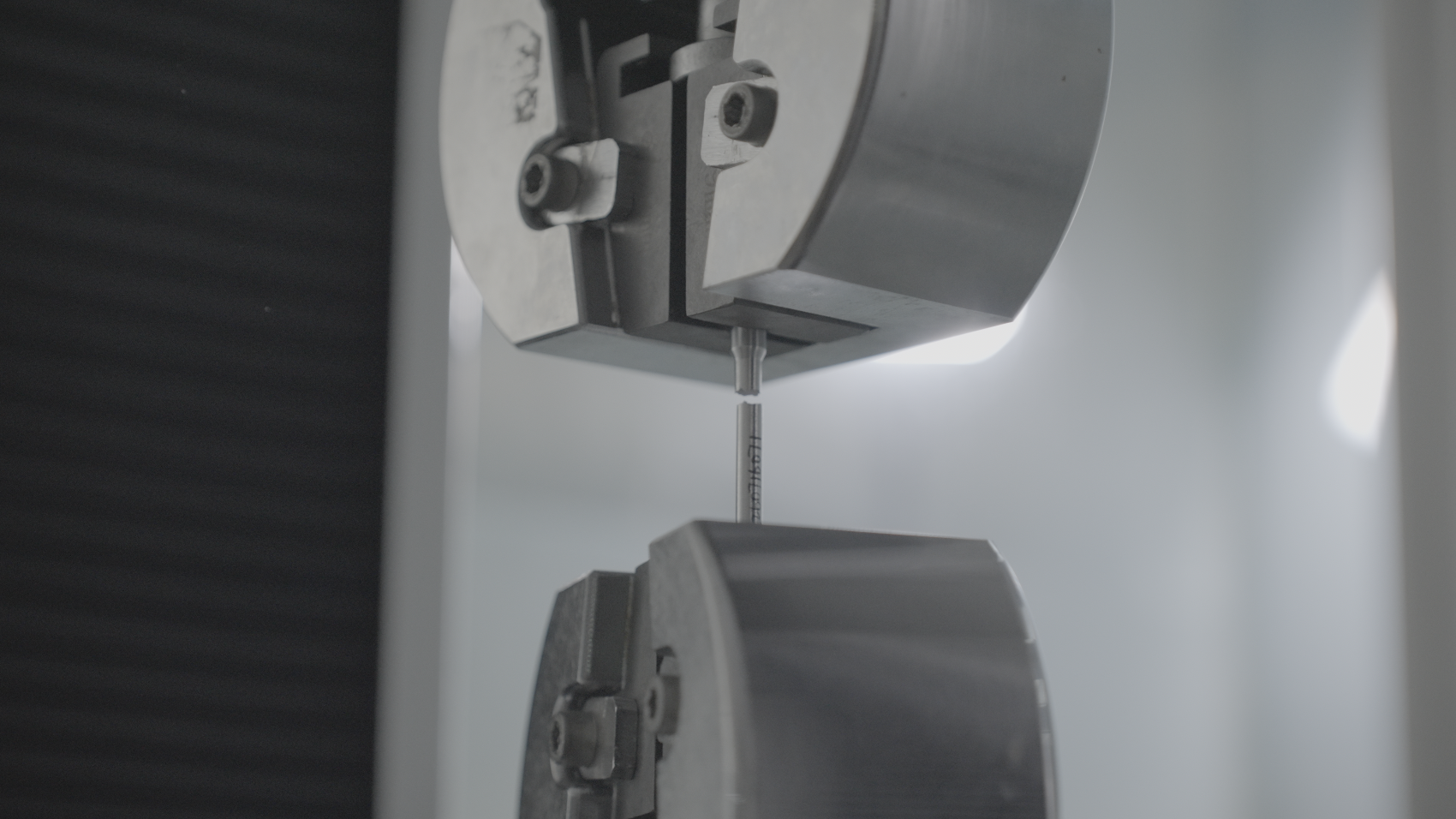
Controlled tensile testing evaluates material strength, yield behavior, and ductility, helping ensure that every wheel begins with verified mechanical properties.
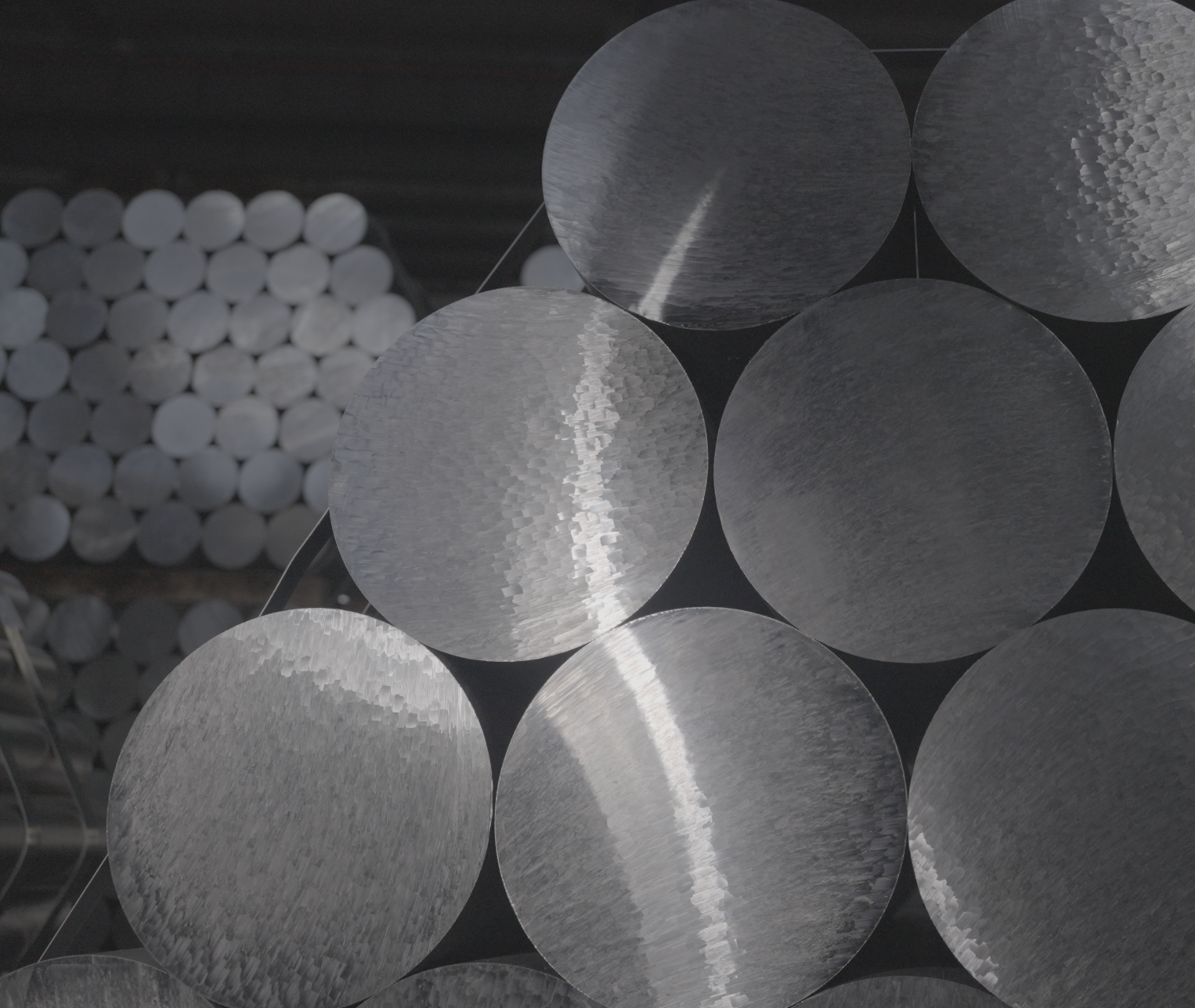
Carefully selected aluminum alloy billets are prepared for forging, with consistent material quality and dimensional requirements forming the foundation of every wheel.
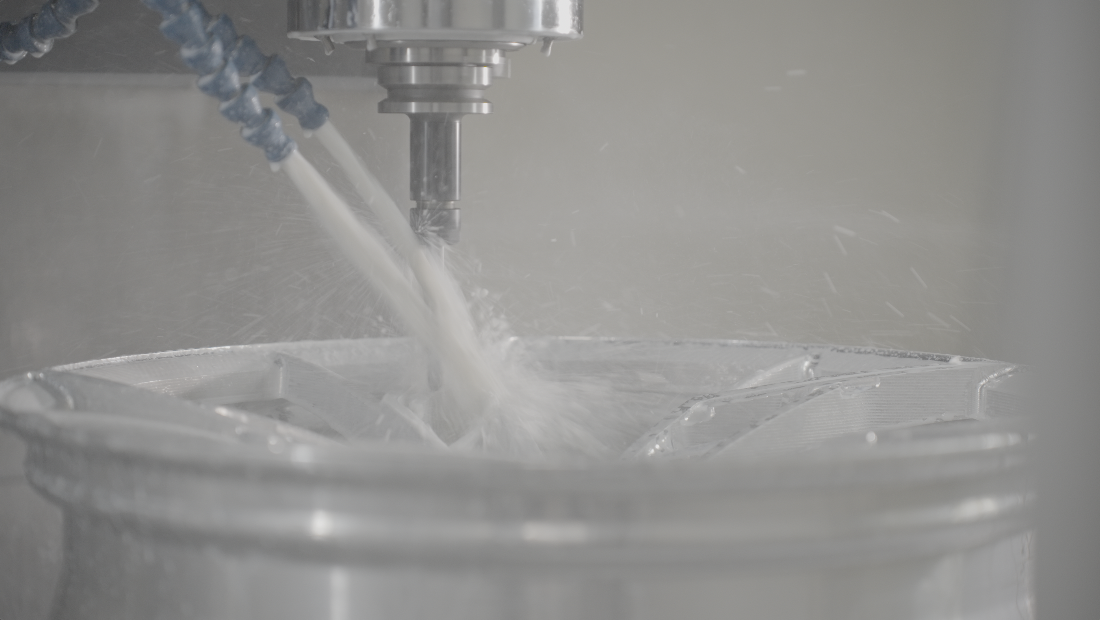
Precision CNC machining transforms forged aluminum into finished wheel designs, with carefully controlled dimensions, intricate details, and consistent manufacturing accuracy.
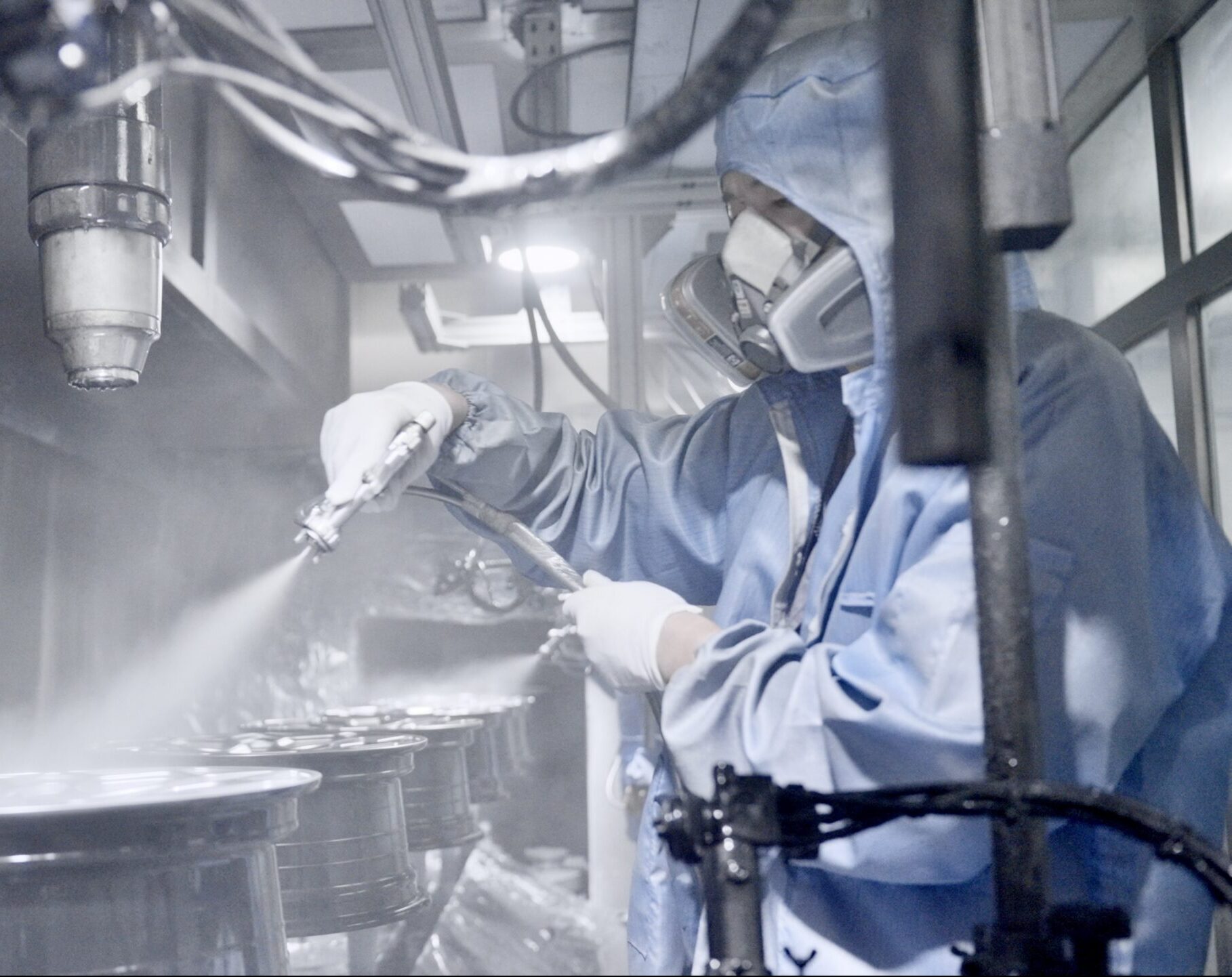
Carefully controlled finishing processes enhance surface protection, coating consistency, and visual depth, bringing lasting quality and distinctive character to every wheel.
VIVE primarily uses 6061-T6 aluminum alloy, with strict material selection and testing to ensure consistent quality. We continue to explore advanced alloys, magnesium, and carbon fiber to pursue greater strength, lighter weight, and improved durability.
All products must undergo digital engineering validation (DEV) before being released into production. For racing vehicles, new technology platforms, and research and development projects, additional performance engineering validation (PEV) is required to meet higher standards in terms of performance, safety, and reliability.

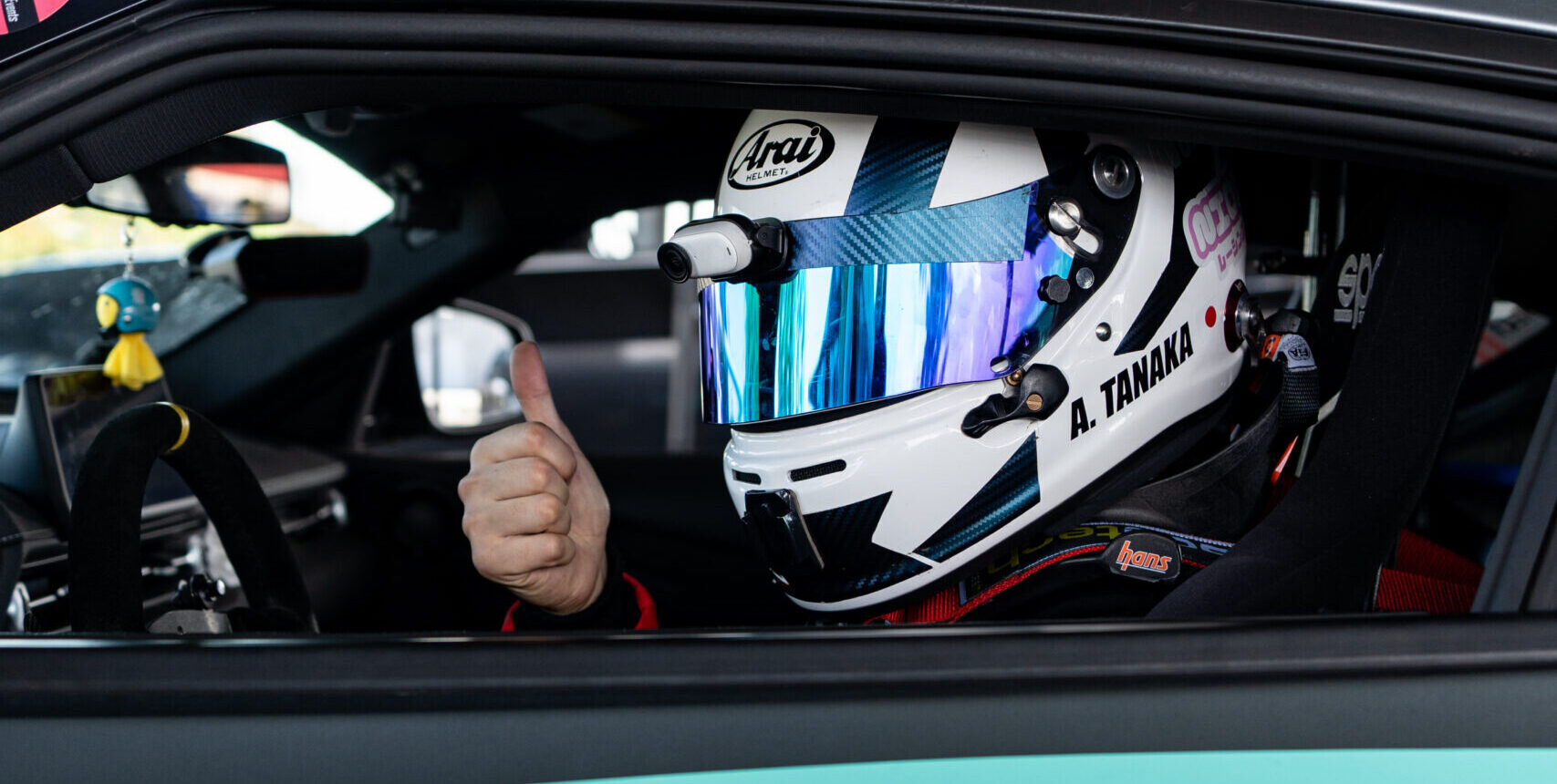
We build every wheel with the goal that